Marketing strategy agency: how a project really works

Marketing Strategy Agency
A strategy isn't a list of activities. It's a system of choices that someone in the company can defend.
The real problem
Many companies come to us with the wrong problem
They say they need more visibility, more leads, a new website. Often the problem lies further upstream: nobody knows where the customers who convert come from, the same metrics have been in use for three years, and the marketing plan is a document no one can defend in a meeting six months after it was written.
This isn't a tools problem. It's a method problem. A well-built strategy isn't a list of activities: it's a system of verifiable choices that someone in the company can name, apply and correct.
Clients we've worked with: Sani.In.Veneto, Alayan, LKQ RHIAG, Kommerling.
From the Square portfolio
Strategies built with our clients
-
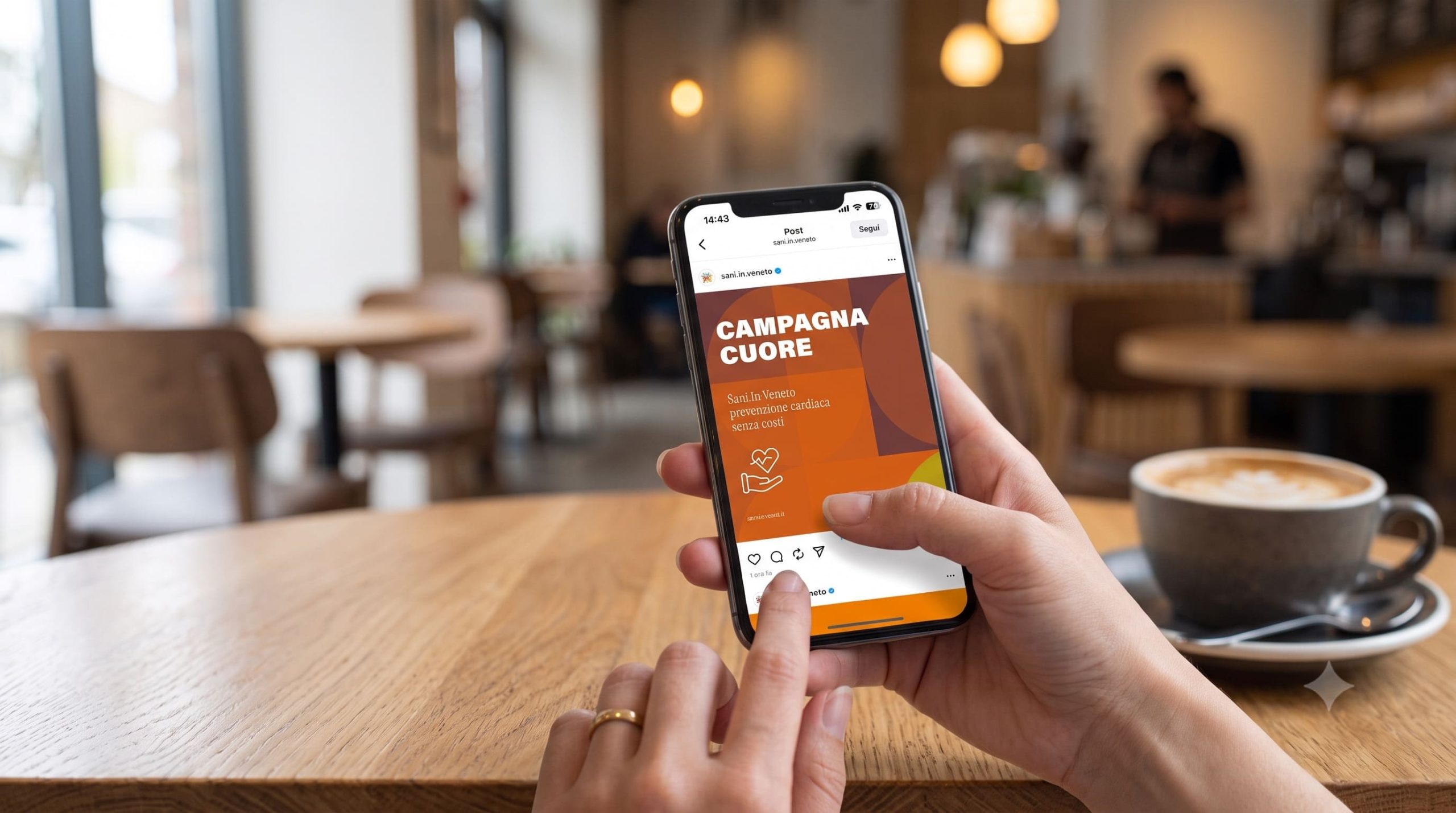
Sani.In.Veneto
The Caregiver archetype and a precise linguistic rule: the subject of the sentence is always the Fund.
-
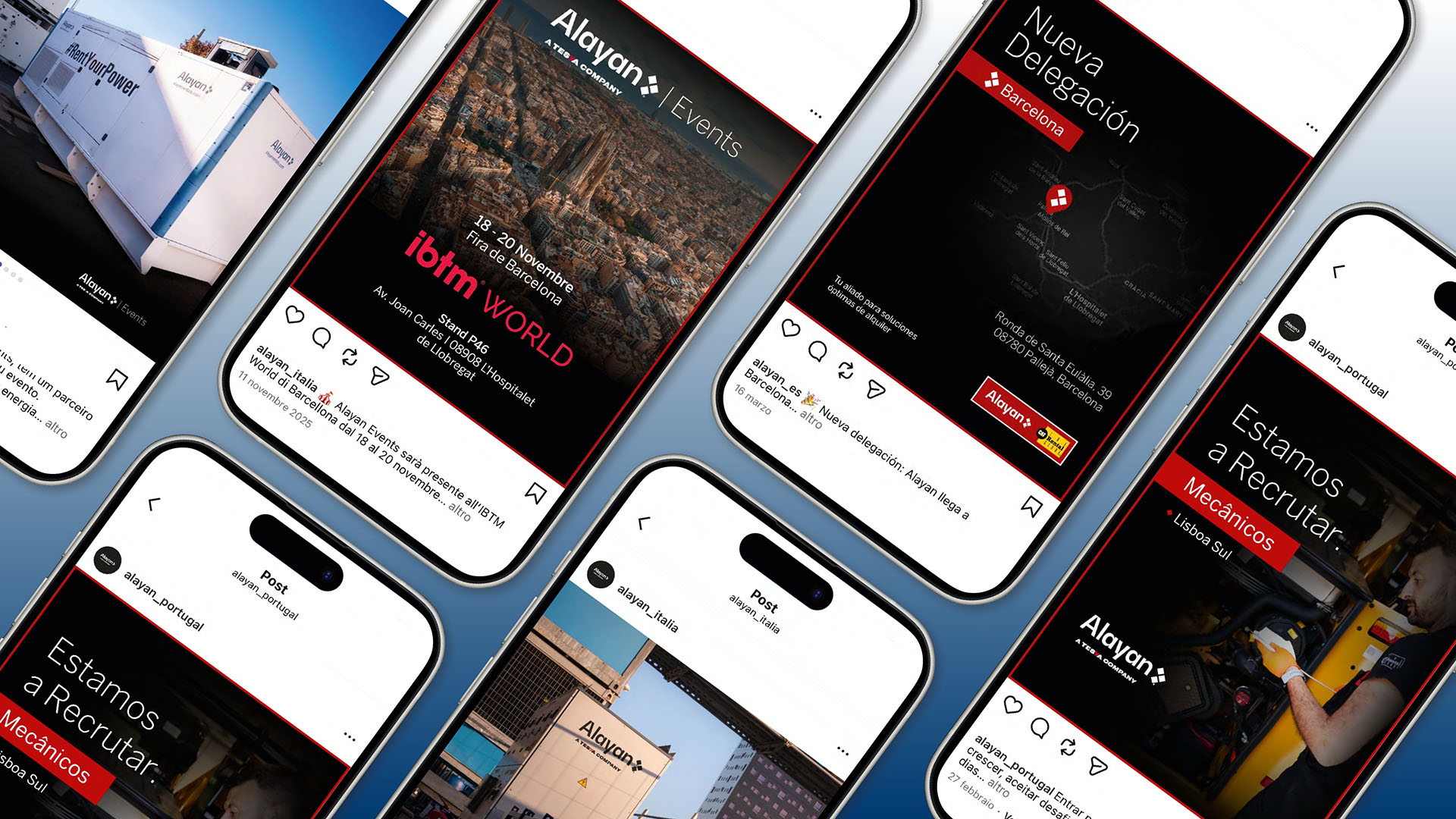
Alayan
From operational performance to brand performance.
-

LKQ RHIAG
Two parallel customer journeys and two separate tones of voice: corporate and the network's workshops.
-

Kommerling
Communicating Sustainability in B2B: The Intersection of Digital and Tax Issues.

Before signing
What we ask for before opening a project
Four things. We ask for them before signing, not after.
This list isn't red tape. It's the fastest way to understand whether the conditions for working well already exist, or whether they need to be created first.
-
Access and data
Platforms, analytics, the spreadsheets nobody wants to show but that hold half of the company's operational knowledge.
-
Business objectives
The next twelve months, with numbers. Not with vague directions.
-
Real processes
A list of what runs outside the official systems. That's often where the most useful knowledge is hiding.
-
One internal person
The name of whoever will follow the project from the inside. Without this person, the work stays a document. If there isn't one, the project can wait.
Week one
We produce a map, not a campaign
When we open a new project, the first week doesn't produce a graphic, an editorial plan or a campaign. It produces a map.
We open GA4, Search Console, attribution. We look at real searches, the points where the site loses customers, the channels the company was betting on and the ones that actually perform.
Something unexpected almost always comes up. The channel that seemed to be driving everything brings in less than expected. A secondary page converts better than the homepage.
Five or six conversations with real customers tell you more than an afternoon of internal brainstorming. Not because brainstorming is useless, but because it starts from what the company believes about its customers.
“You need to know where you are now, not where you think you are.”
Concrete numbers
The operating thresholds we work with
They aren't universal benchmarks. They're how we work, drawn from the markets we operate in most often: industrial B2B, retail, services.
5–6
Customer interviews
Beyond that, patterns repeat and costs rise without any new information. In markets with many distinct segments the number goes up, but the order of magnitude stays the same.
3
Customer profiles
Not ten. Ten personas don't get used: they sit in a file, get shown in a presentation and then don't guide a single decision. Three solid profiles change everything.
<10
Metrics in meetings
The same ones every month. A forty-row dashboard doesn't get read, it gets endured. It doesn't produce decisions: it produces meetings where people discuss data without knowing what to do with it.
4–8 weeks
To the first signals
The time needed to collect enough data to correct course. It isn't the time it takes to get results. Results are ongoing work, not a finish line with a date.
2 months
Strategic alignment
A monthly report, strategic alignment every two months. It's the cadence we use on structured projects like Maxa, and it works because it lets you correct course without losing the thread.

The end point
What a strategy looks like when it's finished
It doesn't look like a document. It looks like choices that can be named, that someone can defend in a meeting, and that hold up over time because they're anchored to something concrete.
A strategy that doesn't produce things like these isn't a strategy yet. It's an analysis. Analyses are necessary, but they aren't the end point.
-
Sani.In.Veneto
A linguistic rule
Archetype: the Caregiver. A precise linguistic principle: the subject of the sentence is always the Fund. “We pay for it.” “We take care of the rest.” Not a generic tone: a rule that can be followed or broken.
-
You&Meat
Audiences with a name
Fast lovers and Food sociables. Archetype: the Everyman.
-
LKQ RHIAG
Two parallel paths
Two parallel customer journeys and two separate tones of voice: an institutional one for corporate, an accessible one for the network's workshops.
-
Maxa
Separate B2B and B2C
Separate B2B and B2C paths, not one path with two variants.
The method
How MAKE applies to strategy
MAKE isn't a decorative acronym. It's the structure we use to organise every project, and its sequence isn't arbitrary.
-
Map: the real picture
It comes before everything else because without a real map you're building on assumptions. Open data, interviews, the actual buying journey.
-
Activate: concrete execution
The choices take shape: content, campaigns, channels, production. This is where strategy stops being a document.
-
Key Metrics: before producing
You decide what to look at, and how often, before producing anything, not after. Metrics chosen afterwards tend to justify what you've already done.
-
Evolve: back to Map
The cycle starts again because markets change, customers change, and data changes what we know. A strategy that never gets re-examined ages without realising it.

Verification
How you can tell the strategy is working
The most honest way isn't to look at impressions or traffic in isolation. It's to check whether three things are improving together.
Signal 01
Better clients
The clients who come in get better over time, in quality and not just in volume.
Signal 02
Better projects
The projects you're able to take on get better, because the positioning is clearer.
Signal 03
Better applicants
The people who apply get better: the system attracts talent too, not just clients.
“If only one of them improves, you're still pushing by hand.”
A precondition
Data, accounts and profiles must stay in the company's hands.
If they stay with whoever did the consulting, the value hasn't been transferred, and when the contract ends the company is back at square one. We say this before signing because it's more awkward to say afterwards.
The concrete result
What stays in the company at the end
-
An internal production system
Content that someone actually produces, not outsourced by default because it was more convenient.
-
A shorter buying journey
With fewer points where customers get lost along the way.
-
A measure someone looks at
Every month, and they know what to do when it drops.
-
Full ownership
Data, accounts and profiles stay with the company. If the system stops when the agency steps away, the work isn't finished.
“Our goal isn't to be needed forever. It's to build something that stands on its own.”
Honesty about numbers
The limits of what we say
The thresholds we've described are ours, drawn from the way we work and the markets we operate in most. They don't come from a study.
The four to eight weeks apply to the first readable signals, not to results. The results of the individual projects we publish come from one client, one sector and one specific period: they aren't benchmarks, and they don't prove that the same thing works elsewhere.
The cases we cite describe what happened in those projects. Context matters. The sector matters. So does who was sitting on the other side of the table within the company. We publish numbers when we're sure what they measure, over what period and what they refer to.
From here on
The starting point almost always comes as a surprise
If you're considering a strategy project, the starting point is understanding where you are now, not where you want to get to. That part we already know. The surprise is often the most useful piece of information in the whole process.